Your Cart is Empty







Faux Wall Panels That Look Surprisingly Real


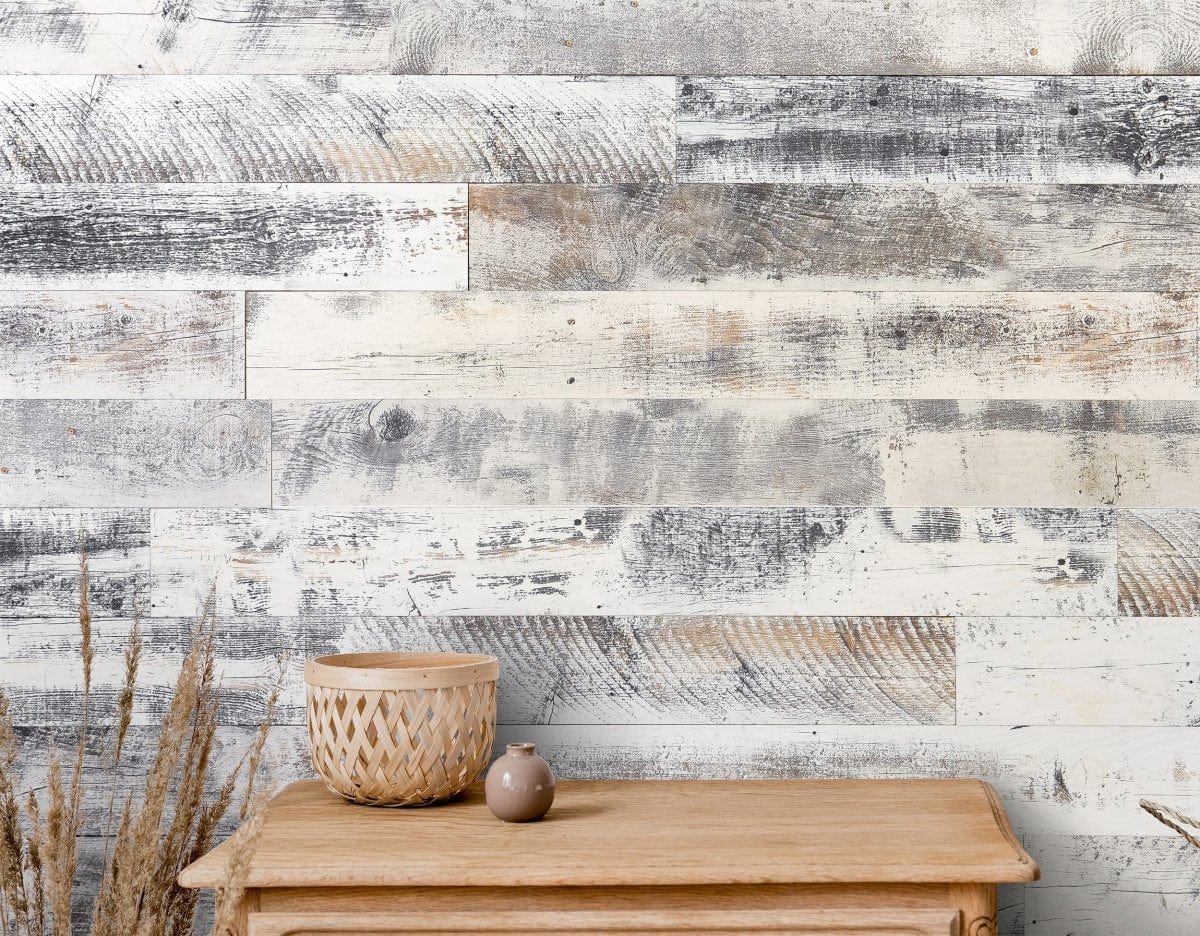
When it comes to interior design, creating a warm, inviting space is often a top priority. For decades, real wood panels have been a popular choice for adding depth and character to residential and commercial interiors alike. However, the cost, weight, and maintenance involved in real wood installation can be prohibitive. That’s where faux wood panels come in. These alternatives have revolutionized modern decor by mimicking the look and texture of real wood while offering several added benefits. What’s even more surprising is just how convincingly real they appear. From rustic farmhouse to sleek contemporary aesthetics, faux panels offer unmatched flexibility and charm.
The Appeal of Faux Wood Panels in Modern Design
Faux wood panels are crafted using high-density polyurethane or similar lightweight, durable materials. These panels are molded directly from real wood planks, capturing every grain, knot, and imperfection with stunning accuracy. Because of this meticulous design process, the panels take on a hyper-realistic appearance that’s often indistinguishable from authentic wood unless closely examined.
One of the major reasons homeowners and designers gravitate toward faux wood is the incredible variety of finishes and styles available. Whether you’re going for reclaimed barnwood, clean-cut shiplap, or rich mahogany tones, there’s likely a faux solution that meets your vision. The panels not only look real but also feel textured, adding tactile authenticity to their visual allure.
Moreover, faux panels offer the flexibility to be used in spaces where real wood might be impractical, such as high-humidity areas like bathrooms or basements. Their resistance to warping, cracking, and decay makes them ideal for long-term installations. This practicality does not come at the expense of style, making them an ideal fusion of form and function.
Installing Faux Panels Is Easier Than You Think
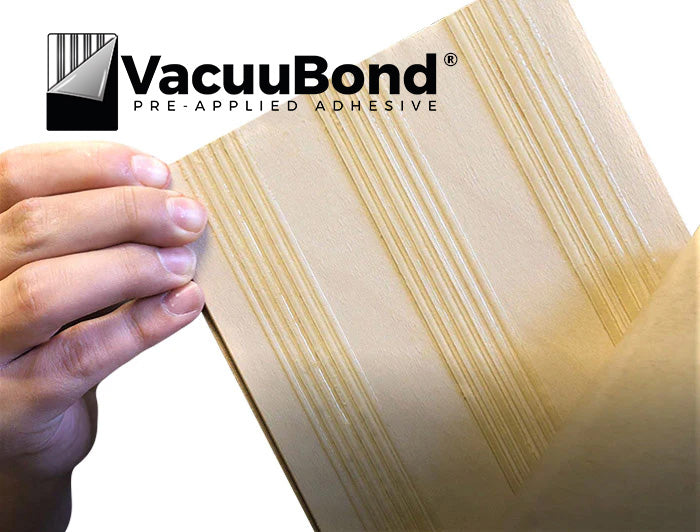
Many people are surprised to learn just how simple it is to install faux wood panels. Unlike traditional wood panels, which often require precise cutting, sanding, and finishing, faux versions are typically lightweight and come with straightforward installation instructions. Most panels can be attached using construction adhesive and finishing nails, eliminating the need for complex tools or professional carpentry skills.
This do-it-yourself appeal has fueled their popularity among homeowners looking for a weekend project that can yield transformative results. Without the mess or noise of sawing wood, you can achieve a dramatic change in your space in a fraction of the time. Some manufacturers also offer interlocking designs or tongue-and-groove systems to make installation even smoother.
Faux panels also tend to be easier to maintain than their real counterparts. There’s no need to sand, refinish, or worry about termites. A simple wipe-down with a damp cloth keeps them looking clean and new. This makes them particularly appealing for busy households or high-traffic commercial spaces where low maintenance is a priority.
Versatility Beyond the Living Room
While faux wood panels are often associated with cozy living room walls or fireplace surrounds, their applications stretch far beyond that. They can serve as beautiful backdrops in bedrooms, offices, kitchens, and even outdoor patios when properly rated for exterior use. Their ability to mimic various wood types and finishes allows them to blend seamlessly with a wide range of architectural styles.
In open-concept homes, faux panels can be used to define separate spaces visually without the need for constructing physical walls. For example, a faux wood accent wall behind a bed can create a sense of depth and intimacy in a master suite. Similarly, a panel-covered island or breakfast bar can bring warmth to a modern kitchen without clashing with stainless steel appliances or minimalist cabinetry.
Commercial spaces, too, benefit from the aesthetic versatility of faux panels. Restaurants, retail stores, and office lobbies often incorporate them to create inviting environments that leave a lasting impression. Their lightweight nature makes them ideal for retrofitting older buildings where structural constraints might limit the use of heavier materials.
Cost-Effective Style Without Compromise
One of the most compelling reasons to choose faux wood panels is cost efficiency. Real wood panels for walls can be expensive to purchase, install, and maintain. Costs quickly add up, especially when factoring in the need for sealing, staining, and protecting the wood over time. Faux options, on the other hand, typically come at a fraction of the cost and require little to no long-term upkeep.
Beyond the initial savings, faux panels can also lower transportation and labor expenses due to their light weight and ease of handling. This makes them a smart choice for large-scale renovations or quick refreshes on a budget. For homeowners looking to flip properties or make cost-conscious upgrades before a sale, faux wall panels can significantly increase visual appeal with minimal investment.
What’s more, using faux materials is often a more environmentally friendly option. Rather than harvesting old-growth timber or using exotic woods, faux panels are manufactured sustainably, often using recycled materials. This allows design-forward individuals to maintain ecological responsibility without compromising on style or quality.
Customization and Creative Freedom
One often overlooked benefit of faux panels is the degree of customization they afford. Since they’re produced in controlled environments, manufacturers can offer a wide variety of colors, finishes, and textures that go beyond what’s typically found in nature. Want the look of aged driftwood but in a shade of gray that matches your decor perfectly? Faux panels can do that.
This ability to customize allows designers and homeowners to experiment boldly without the constraints of real wood’s natural variations. It also opens the door for creative expression in nontraditional ways. For instance, panels can be used to create dramatic ceiling treatments, wainscoting, or headboards. Some even use them to build free-standing room dividers or custom furniture accents.
Faux wood panels can also be painted or stained to match evolving tastes or seasonal decor. This flexibility is a game-changer for those who like to update their interiors frequently. Rather than tearing down and rebuilding, a quick coat of paint can give faux panels an entirely new identity, extending their usability and value over time.
Conclusion
Faux wood panels offer a compelling combination of aesthetic appeal, practical utility, and affordability. They deliver the timeless charm of real wood panels for walls without the associated cost or maintenance headaches. With technological advancements in molding and finishing, today’s faux options are virtually indistinguishable from the real thing.
Whether you’re redesigning a cozy living room, creating a stylish office, or updating a commercial space, faux panels provide a versatile solution that doesn’t sacrifice design for convenience. Their ease of installation, broad range of styles, and long-term durability make them a standout choice for modern interiors. As more people discover just how real faux can look, these panels continue to grow in popularity among both professional designers and everyday homeowners. If you're looking to bring warmth and texture into your space without the drawbacks of traditional wood, faux wall panels may be the perfect fit.
Need Wall Planks Near You?
At Wallplanks, we take pride in crafting eco-friendly, high-quality wall products right here in the U.S. that are as durable as they are beautiful. Whether you’re a seasoned DIYer or tackling your first project, our team is here to make the process easy, inspiring, and rewarding. Reach out to us today and let’s create spaces you’ll love coming home to, one wall at a time.